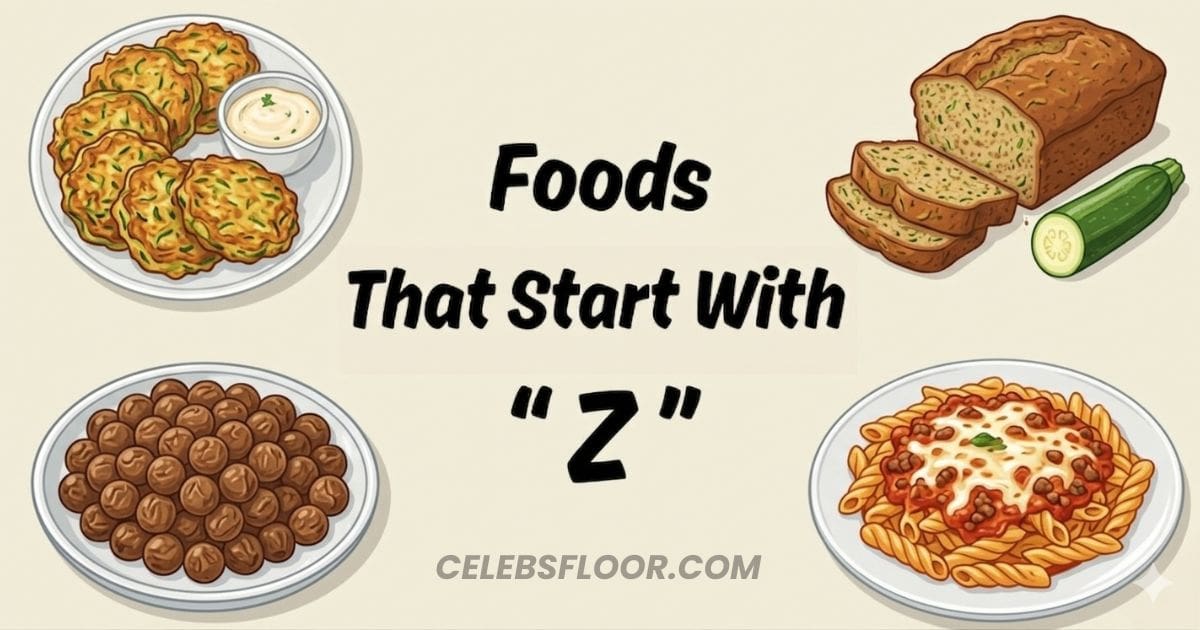
Curious about how many foods actually begin with the letter Z? There are more than you’d think — from everyday snacks to rare international dishes you’ve probably never heard of. Whether you’re a student building vocabulary, a foodie on an adventure, or just someone who loves trivia, this list is packed with something for everyone.
Quick List of Foods That Start With Z
- Zucchini
- Zebra Cake
- Ziti
- Zatar (Za’atar)
- Zuppa Toscana
- Zander (fish)
- Zinfandel grapes
- Zongzi
- Zeppole
- Zebra fish (edible)
- Zucchini bread
- Zahtar spice blend
- Zuppa di pesce
- Ziti pasta bake
- Zibibo (Sicilian raisin wine)
Quick Profile Table of Common Foods That Start With Z
| Food Name | Category | Flavor Profile |
| Zucchini | Vegetable | Mild |
| Zebra Cake | Dessert / Snack | Sweet |
| Ziti | Grain / Pasta | Savory |
| Za’atar | Spice / Condiment | Earthy |
| Zuppa Toscana | Dinner / Soup | Savory |
| Zander | Seafood | Mild |
| Zinfandel Grapes | Fruit | Tangy |
| Zongzi | International | Savory |
| Zeppole | Dessert | Sweet |
| Zucchini Bread | Morning Food / Baked | Mild |
| Zahtar Blend | Spice Mix | Earthy |
| Zarda | International / Rice | Sweet |
| Zucotto | Dessert | Sweet |
| Zereshk (Barberries) | Fruit / Condiment | Tangy |
| Zopf Bread | Baked / Morning | Mild |
| Zarzuela | Seafood / International | Savory |
| Zigni | International / Meat | Spicy |
| Zest (Citrus) | Flavoring | Bitter |
| Zwieback | Snack / Baked | Mild |
| Zimtsterne | Dessert / Cookie | Sweet |
Fruits & Vegetables That Start With Z
Fruits
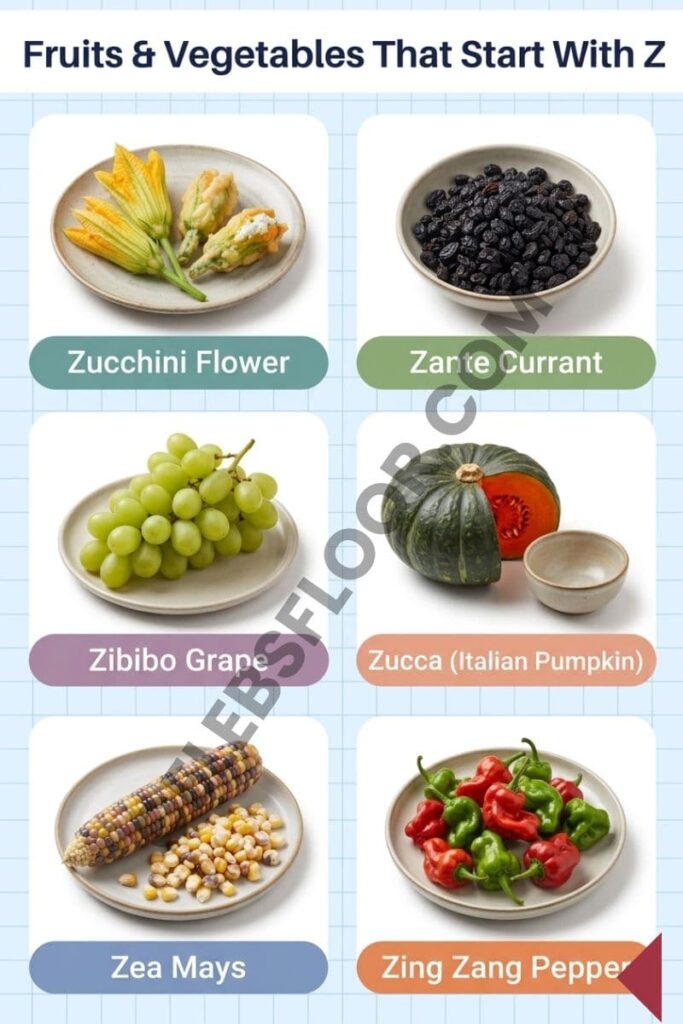
Zinfandel Grapes: [fruit, wine grape, tangy-sweet] A dark-skinned grape variety popular in California wine country — eaten fresh off the vine but best known for producing bold red wine.
Zereshk (Barberry): [fruit, tart, Persian] These tiny bright-red berries grow in Iran and are intensely sour. They’re sprinkled over Persian rice dishes to balance rich flavors, and they pack a surprising amount of vitamin C.
Ziziphus (Jujube): [fruit, sweet, chewy] Often called Chinese date, this small brown fruit has a sweet, apple-like taste when fresh and turns chewy and caramel-like when dried. It’s been eaten across Asia and the Middle East for thousands of years.
Zucchini Flower: [vegetable, edible flower, delicate] The bright yellow blossoms of the zucchini plant are eaten stuffed with cheese and herbs, then fried until lightly crispy — a classic Italian delicacy.
Zante Currant: [dried fruit, tiny, sweet-tart] Don’t confuse these with regular currants. They’re actually tiny dried grapes, much smaller than raisins, and are commonly used in fruitcakes, scones, and Christmas puddings.
Zapote (Sapote): [fruit, tropical, custard-like] A soft, sweet tropical fruit from Central America that tastes almost like chocolate custard. The inside is smooth and rich, often eaten with a spoon like pudding.
Zibibo Grape: [fruit, dessert grape, Sicilian] A golden Sicilian grape used to make Passito di Pantelleria, a thick honeyed dessert wine. The grapes are sun-dried before pressing, which concentrates their sweetness dramatically.
Ziricote Plum: [fruit, rare, tart] A wild tropical fruit from Mexico and Central America that’s rarely cultivated commercially — locals eat them fresh or turn them into jams and beverages.
Vegetables
Zucchini: [vegetable, mild, versatile] One of the most widely eaten summer squashes in the world — sliced raw into salads, grilled alongside meats, spiralized into “zoodles,” or baked into everything from bread to muffins.
Zing Zang Pepper: [vegetable, spicy, decorative] A decorative pepper variety with a sharp kick, sometimes used in fresh salsa or pickled in vinegar.
Zucchini Yellow (Golden Zucchini): [vegetable, mild, slightly sweet] The golden-skinned cousin of regular zucchini, with a slightly sweeter taste and a tender texture that holds up well on the grill.
Zingiber (Ginger Root): [root vegetable, spicy, aromatic] Technically a rhizome, ginger is one of the most used flavoring roots worldwide — added to tea, curries, stir-fries, and baked goods for its warm, peppery heat.
Zucca (Italian Pumpkin): [vegetable, sweet, starchy] A wide, flat variety of winter squash used heavily in Northern Italian cooking, especially in pasta fillings and risottos.
Zea Mays (Corn): [vegetable/grain, sweet, starchy] The scientific name behind everyday corn — a staple food on nearly every continent, eaten fresh, dried, ground, or popped.
Meats & Proteins That Start With Z
Zigni: [meat dish, Ethiopian, spicy] A slow-cooked spiced beef or lamb stew from Eritrea and Ethiopia, cooked with berbere spice paste. It’s deep red, fiercely aromatic, and traditionally eaten with injera flatbread.
Zubrowka Bison Beef: [meat, Polish, smoky] Cuts of beef sometimes paired with bison grass vodka marinades in Polish cuisine, producing a uniquely herbal, smoky flavor.
Zunzún (Hummingbird — historical): [poultry, rare, historical note] In pre-Columbian Caribbean cultures, small birds including hummingbirds were occasionally consumed. This is purely a historical footnote — these birds are protected today.
Zebu Beef: [meat, lean, Asian/African] Zebu cattle — the humped cattle common across South Asia, Africa, and Brazil — produce leaner beef than conventional cattle. The meat has a slightly firmer texture and is widely eaten in those regions.
Zampone: [meat, Italian, rich] A stuffed pig’s trotter specialty from Modena, Italy — packed with seasoned minced pork and slow-cooked until tender. It’s traditionally eaten on New Year’s Eve in Italy alongside lentils for good luck.
Zaza (Insect protein — regional): [protein, edible insect, nutty] In parts of Mexico and Southeast Asia, insect larvae called “zaza” or similar names are roasted and eaten as a crunchy, nutty protein source — a growing area of interest in sustainable food.
Zurek Sausage: [meat, Polish, smoky-sour] A kielbasa-style sausage commonly served in or alongside Żurek soup in Poland. It’s tangy from fermented rye, smoky, and filling.
Seafood Starting With Z
Zander: [fish, freshwater, mild] A prized freshwater fish across Europe — especially popular in Germany, Poland, and the UK. Its white flesh is delicate and nearly boneless, often pan-fried in butter with lemon.
Zebra Fish (Edible species): [fish, mild, ocean] Several edible species carry the zebra name. Zebrafish used in cooking tend to have mild, white flesh and are common in coastal Asian markets.
Zarzuela: [seafood stew, Spanish, savory] A Catalan seafood extravaganza — shrimp, mussels, clams, squid, and fish all cooked together in a rich tomato and wine broth. It’s the Spanish answer to a bouillabaisse.
Ziege (Goat Fish): [fish, firm, Mediterranean] A reddish-gold Mediterranean fish known in German as Ziege, with firm white flesh and a mild, slightly sweet flavor. It’s grilled whole or baked with herbs.
Zambian Kapenta: [fish, small, dried/smoked] Tiny sardine-like fish from Lake Tanganyika and other African lakes — dried or smoked and eaten fried or stewed. They’re a major protein source across Zambia and neighboring countries.
Zurek (Fish version): [fish soup, Polish, sour] A variation of the classic Polish sour rye soup prepared with freshwater fish instead of sausage — niche but deeply traditional in certain Polish river communities.
Morning Breakfast Foods That Start With Z
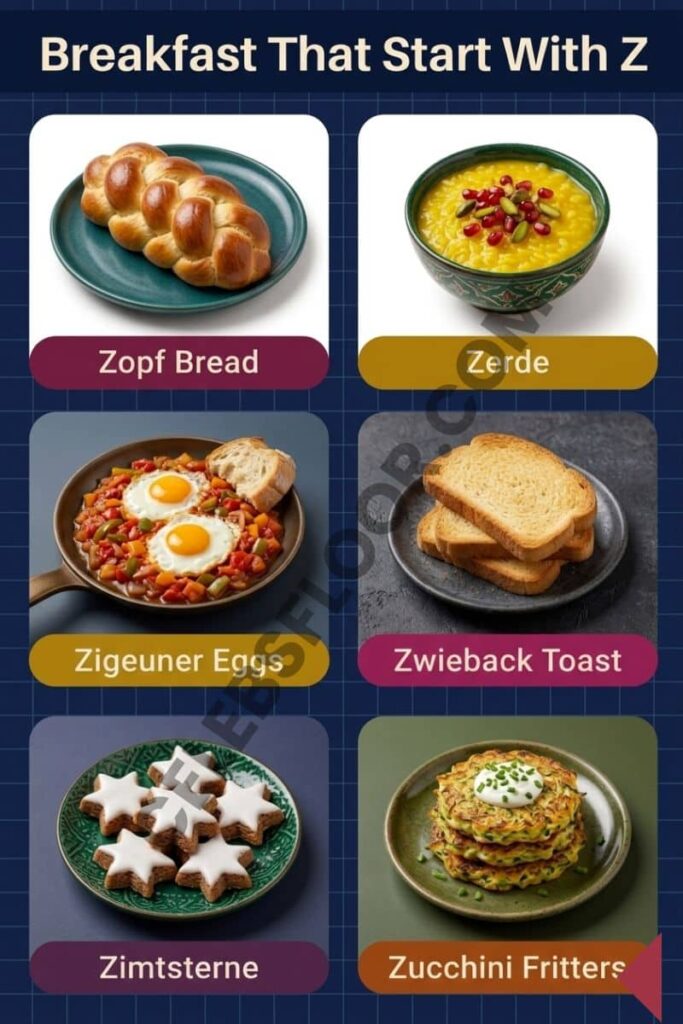
Zucchini Bread: [baked good, breakfast, mild-sweet] A popular breakfast quick bread made with shredded zucchini baked into a moist loaf — you’d never guess there’s a vegetable in it from the taste alone.
Zopf Bread: [Swiss bread, morning, slightly sweet] A braided Swiss Sunday bread with a glossy golden crust and a soft, slightly buttery crumb. Families in Switzerland traditionally eat it on Sunday mornings with jam and butter.
Zerde: [sweet, Turkish breakfast porridge, saffron] A saffron-yellow rice pudding from Turkey, traditionally made for celebrations and sometimes eaten as a sweet morning dish during special occasions.
Zigeuner Eggs: [eggs, German-style, spiced] A German preparation of scrambled eggs with paprika, onions, and bell peppers — hearty, colorful, and warming on a cold morning.
Zwieback Toast: [baked snack, mild, dry] A twice-baked bread that’s rock-hard, dry, and slightly sweet. It’s traditionally given to teething babies, but adults love it too — dipped in coffee or tea to soften it up.
Zucchini Fritters: [savory breakfast, pan-fried, crispy] Shredded zucchini mixed with egg and flour, then pan-fried into crispy little cakes. Common across Mediterranean countries as a light morning or brunch item.
Zimtsterne (Cinnamon Stars): [morning cookie, German, sweet-spiced] Traditional German almond-meringue cookies shaped like stars and flavored with cinnamon. They’re especially popular at Christmas but eaten year-round as a morning treat with coffee.
Lunch Foods That Start With Z
Ziti Pasta Bake: [pasta, baked, cheesy] A classic American-Italian casserole of tube pasta baked with tomato sauce, ricotta, and melted mozzarella — the kind of lunch that tastes even better the next day.
Zoodles (Zucchini Noodles): [low-carb pasta, lunch, light] Spiralized zucchini used in place of pasta — tossed with pesto, marinara, or stir-fried with vegetables for a lighter midday meal.
Zucchini Pizza: [pizza variation, lunch, savory] A pizza-style flatbread where zucchini slices replace or top the crust, popular in light Italian lunch menus.
Zlato (Honey Mustard Sandwich glaze, Eastern European): [condiment, sandwich, tangy-sweet] A honey-mustard style spread used in Eastern European sandwiches and wraps, giving lunch a sweet and slightly sharp edge.
Zaru Soba: [Japanese noodles, cold, light] Chilled buckwheat noodles served on a bamboo tray with a cold dipping broth. A classic Japanese summer lunch — cool, clean, and fast to prepare.
Zalouk: [Moroccan dip, lunch, smoky] A warm Moroccan salad of roasted eggplant and tomatoes mashed together with cumin, paprika, and olive oil. Served at room temperature with bread — one of North Africa’s most beloved lunch starters.
Zucchini Soup: [soup, vegetarian, creamy] A simple blended soup of zucchini, onion, and stock — sometimes finished with cream or topped with croutons. Light enough for lunch but satisfying enough to stick with you.
Ziti Salad: [pasta salad, cold, savory] Cold ziti pasta tossed with olives, salami, roasted peppers, and Italian dressing — a staple at picnics and lunch spreads across the American Northeast.
Dinner Foods That Start With Z
Zuppa Toscana: [soup, Italian-American, hearty] A creamy potato and kale soup with spicy Italian sausage — made popular by Olive Garden but rooted in rustic Tuscan home cooking. It’s one of the most searched comfort soups in America.
Ziti al Forno: [pasta, baked, Italian] The original baked ziti — tube pasta layered with Neapolitan ragù, mozzarella, and hard-boiled eggs, baked until bubbling and golden at the edges.
Zigeuner Schnitzel: [meat dish, German, paprika sauce] A German-Austrian schnitzel topped with a bold red pepper and paprika sauce — a weeknight dinner classic across Central Europe.
Zarzuela de Mariscos: [Spanish seafood stew, dinner, rich] The full dinner version of Zarzuela, slow-simmered with saffron and brandy to give the broth an almost velvet depth.
Zeytinyağlı Dishes (Turkish Olive Oil Dishes): [Turkish dinner, vegetarian, savory] A whole category of Turkish dinner dishes cooked in olive oil and served at room temperature — including stuffed grape leaves, green beans, and artichokes.
Zucchini Casserole: [dinner, baked, cheesy] Layers of sliced zucchini, tomatoes, and cheese baked until bubbling — a simple but well-loved vegetarian dinner across American home kitchens.
Zampone e Lenticchie: [Italian dinner, festive, rich] The famous Italian New Year’s Eve dish of stuffed pork trotter served over stewed lentils. The lentils symbolize coins and prosperity for the coming year.
Zigni with Injera: [African dinner, spicy, traditional] The classic Eritrean combination of spiced beef stew served atop a sourdough flatbread called injera — which doubles as both plate and utensil.
Grains & Pantry Staples Starting With Z
Ziti Pasta: [pantry staple, pasta, versatile] A tube-shaped pasta from Southern Italy — the name means “bridegrooms” in Italian. It holds thick sauces beautifully inside its hollow center.
Zea Corn Flour: [grain, gluten-free, mild] Ground from dried corn (Zea mays), this flour is the base for cornbread, polenta, and tamale dough across multiple continents.
Zebra Beans: [legume, pantry, earthy] A variety of pinto-style bean with distinctive dark striping. They lose their pattern when cooked but become creamy and rich — popular in Mexican and Southwestern cooking.
Zucchini Seeds (roasted): [snack/pantry, nutty, crunchy] Similar to pumpkin seeds — roasted with salt and spices, they make a crunchy, nutritious topping for salads or soups.
Za’atar Blend: [spice mix, pantry staple, earthy] A Middle Eastern spice blend of dried thyme, sesame seeds, sumac, and salt. Mixed with olive oil and spread on bread, it’s one of the most beloved pantry staples from Beirut to Baghdad.
Zinfandel Vinegar: [pantry, tart, wine-based] Made from Zinfandel wine, this red wine vinegar is slightly fruity and acidic — used in salad dressings and marinades.
Zweibelbrot Flour Blend: [baking, German, onion-flavored] A German bread flour mixture specifically developed for Zwiebelbrot (onion bread) — with dried onion and caraway already mixed in.
Snacks & Appetizers Beginning With Z
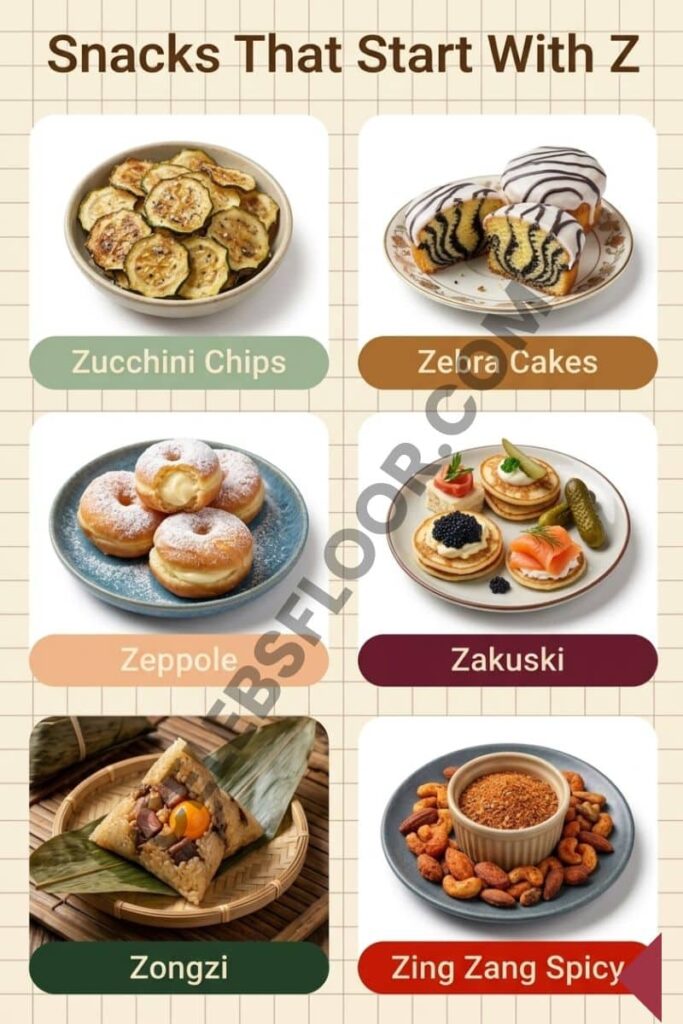
Zebra Cakes (Little Debbie): [snack cake, sweet, chocolate-vanilla] A beloved American snack cake with a striped chocolate and white chocolate coating over a creamy vanilla center. A lunchbox staple for generations of American kids.
Zwieback Crackers: [snack, dry, mild] Twice-baked crispy toast crackers — sold commercially in many countries. They’re plain enough to pair with anything from peanut butter to smoked salmon.
Zucchini Chips: [healthy snack, baked or fried, crispy] Thinly sliced zucchini baked or fried until crisp — seasoned with sea salt, parmesan, or ranch powder. A lighter alternative to potato chips.
Zatar Flatbread (Manaqeesh): [savory snack, Middle Eastern, herby] Flatbread brushed with za’atar and olive oil then baked until crispy at the edges. It’s Lebanon’s most popular street snack, eaten morning, noon, or night.
Zeppole: [Italian fried dough, sweet, airy] Deep-fried Italian dough balls dusted with powdered sugar — sold at street fairs and festivals across Italy and Italian-American neighborhoods. They’re crispy outside and almost hollow inside.
Zakuski (Russian Appetizer Spread): [appetizer, Russian, savory mix] A Russian tradition of multiple small appetizer dishes served before a meal — pickles, cured fish, blini, cold meats, and spreads all laid out together.
Zongzi (Mini): [Chinese snack, glutinous rice, savory or sweet] Sticky rice stuffed with various fillings and wrapped in bamboo leaves. The mini version is sold as a snack at Chinese night markets — savory fillings include pork belly and salted egg yolk.
Zing Zang Spicy Mix: [snack mix, spicy, crunchy] A spiced nut-and-pretzel mix seasoned with hot sauce-style spices, popular in bar snack bowls and party platters across the American South.
Desserts & Sweets That Start With Z
Zeppole: [fried dough, Italian, powdered sugar] The queen of Italian festival desserts — light as air on the inside, golden and crisp outside. St. Joseph’s Day celebrations in Naples are incomplete without them.
Zimtsterne: [cookie, German, cinnamon-almond] Star-shaped German cookies made with ground almonds and cinnamon, topped with white meringue glaze. They’re a Christmas tradition but honestly too good to limit to December.
Zebra Cake (Homemade): [cake, striped, vanilla-chocolate] A layer cake with alternating rings of vanilla and chocolate batter baked together, creating a zebra-stripe pattern when sliced. It’s as fun to make as it is to eat.
Zucotto: [Italian dessert, dome-shaped, rich] A Florentine dome-shaped dessert made by lining a bowl with liqueur-soaked sponge cake, then filling it with whipped cream, chocolate, and nuts. When unmolded, it looks like a Florentine cathedral dome.
Zerde: [Turkish rice pudding, saffron-yellow, sweet] Saffron-colored sweet rice pudding dotted with pine nuts, raisins, and pomegranate seeds. The vibrant yellow color alone makes it the star of any celebratory table.
Zaletti: [Italian cookie, cornmeal, raisin] Venetian cornmeal cookies studded with raisins and flavored with lemon zest and grappa. They’re crumbly, rustic, and pair perfectly with a small glass of dessert wine.
Zuppa Inglese: [Italian dessert, trifle-style, custard] Italy’s answer to the English trifle — layers of liqueur-soaked sponge cake and vanilla custard cream, topped with meringue or chocolate. Despite the name (“English Soup”), it’s 100% Italian.
Zack’s Marshmallow Treats (regional): [sweet snack, sticky, vanilla] Regional marshmallow crispy treats sold under various Z-brand names across the American Midwest.
Dairy & Cheeses Starting With Z
Zamorano Cheese: [cheese, Spanish, nutty] A hard sheep’s milk cheese from the Zamora region of Spain, aged at least six months. Its flavor is rich, buttery, and slightly sharp — similar to Manchego but earthier.
Zincarlin: [cheese, Swiss/Italian, peppery] A rare semi-soft cheese from the border region between Switzerland and Italy, typically rubbed with black pepper and aged in a cool cellar.
Ziger Cheese: [Swiss whey cheese, mild, crumbly] A traditional Alpine whey cheese from Switzerland — similar to ricotta but drier and more granular. It’s often mixed with herbs and spread on bread.
Zigerklee (Schabziger): [cheese, Swiss, pungent] A hard, cone-shaped Swiss green cheese made with an herb called zigerklee (blue fenugreek). Its flavor is sharp, pungent, and unlike almost anything else in the cheese world.
Zola (Gorgonzola short name): [blue cheese, Italian, bold] Gorgonzola — often called Zola by Italian locals — is one of the world’s great blue cheeses, creamy and tangy when young (dolce), sharp and crumbly when aged (piccante).
Zenb Plant-based Cheese: [dairy alternative, plant-based, mild] A newer category of plant-based cheese products marketed under the Zenb brand — made from yellow peas and positioned as a high-protein dairy alternative.
Beverages (Drinks) Starting With Z
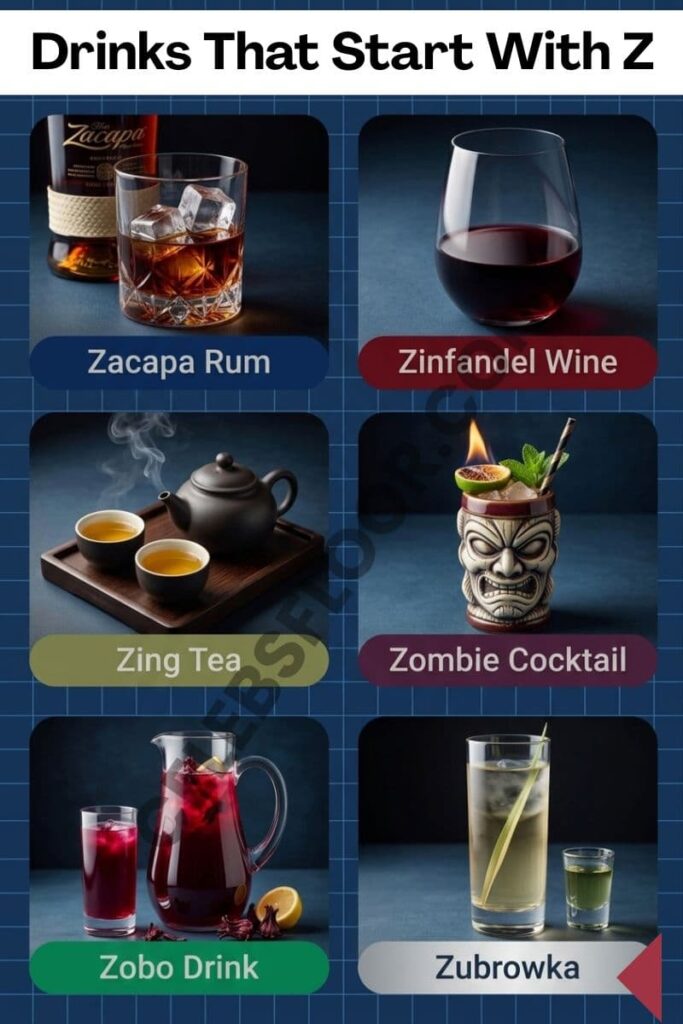
Zinfandel Wine: [wine, red, bold] One of California’s signature red wines — full-bodied, with jammy dark fruit flavors and a spicy finish. It’s also produced as a pale pink rosé called White Zinfandel.
Zacapa Rum: [rum, Guatemalan, aged] A premium Guatemalan rum aged at high altitude in a system of American oak barrels. It’s smooth, sweet, and complex — sipped neat by rum enthusiasts worldwide.
Zing Tea: [herbal tea, spiced, warming] A category of spiced herbal teas featuring ginger, turmeric, and black pepper — marketed under various brand names as anti-inflammatory wellness drinks.
Zubrowka (Bison Grass Vodka): [vodka, Polish, herbal] A Polish vodka infused with bison grass, giving it a subtle vanilla-almond flavor. A blade of the grass is often placed inside the bottle for authenticity.
Zereshk Sherbet: [Persian drink, sweet-tart, chilled] A chilled Persian beverage made from barberry (zereshk) juice, water, sugar, and sometimes rose water. It’s a gorgeous deep red color and refreshingly tart on a hot day.
Zinger Lemonade: [drink, citrus, sweet-tart] A style of upgraded lemonade with ginger and sometimes chili added — sold at health cafes and juice bars, especially popular as a morning energizer.
Zobo Drink: [West African hibiscus tea, tart, sweet] Known as Zobo in Nigeria, this is dried hibiscus petals steeped in water with ginger, cloves, and pineapple juice. It’s served chilled and is one of the most popular homemade drinks across West Africa.
Zombie Cocktail: [cocktail, rum-based, tropical] A legendary tiki cocktail made with multiple types of rum, apricot brandy, and citrus juice. It’s potent — some bars limit customers to two per visit.
Sauces, Spices & Condiments Starting With Z
Za’atar: [spice blend, Middle Eastern, earthy-herby] The cornerstone of Middle Eastern cooking — dried thyme, sesame, sumac, and salt blended together. Stirred into olive oil, it becomes an instant dipping sauce for bread.
Zhug (Zhoug): [hot sauce, Yemeni-Israeli, fiery] A bright green chili paste from Yemen, now beloved across Israeli cuisine. Made with fresh green chilies, cilantro, garlic, and cumin — it’s eaten on everything from falafel to eggs.
Zacusca: [Romanian spread, vegetable, smoky] A Romanian relish made from roasted eggplant, red peppers, and tomatoes cooked together for hours. It’s spread on bread like a vegetable jam and tastes like autumn in a jar.
Zeytinyağı (Olive Oil, Turkish): [condiment, Turkish, fruity] Turkish extra-virgin olive oil, particularly from the Aegean coast, is one of the world’s finest — grassy, slightly peppery, and versatile enough for both cooking and finishing.
Zatar Sauce (Palestinian-style): [condiment, herbed, thick] A thick paste version of za’atar mixed with olive oil, used as a dip, marinade, or spread for flatbreads and grilled meats.
Zomerpesto (Summer Pesto): [Dutch-style sauce, herby, light] A lighter, zucchini-based pesto variation popular in Dutch summer cooking — blended with fresh basil, lemon, and pine nuts.
International Foods That Start With Z
Zongzi (China): [Chinese, rice dumpling, savory or sweet] Pyramid-shaped sticky rice parcels wrapped in bamboo leaves and steamed for hours. Made for the Dragon Boat Festival, they can be filled with pork, mushrooms, salted egg yolk, or sweet red bean paste.
Zigni (Eritrea/Ethiopia): [East African, spiced meat stew, fiery] Eritrea’s national dish, essentially — a deep red beef stew cooked low and slow with berbere spice. Served with injera, it’s a complete meal that’s deeply nourishing and unforgettable.
Zalouk (Morocco): [North African, eggplant-tomato salad, smoky] A roasted eggplant and tomato dip cooked with cumin, paprika, and preserved lemon. Moroccan tables are rarely without it at lunch or dinner.
Zarda (Pakistan/Bangladesh): [South Asian, sweet rice, saffron] A festive sweet rice dish cooked with saffron, ghee, sugar, and topped with nuts and dried fruits. Served at weddings and religious celebrations across South Asia.
Zuppa Toscana (Italy): [Italian, potato-kale soup, rustic] A humble Tuscan farmer’s soup that became a global hit. The original uses whatever vegetables are in season, always with olive oil and often with beans or sausage.
Zarzuela (Spain): [Spanish, seafood stew, rich] Catalonia’s grand seafood celebration — a saffron and brandy-spiked stew loaded with whatever the sea offers that day.
Zimtsterne (Germany): [German, Christmas cookie, cinnamon] A staple of German Christmas markets since the 17th century — cinnamon-almond stars glazed with white meringue.
Zopf (Switzerland): [Swiss, braided bread, buttery] A Sunday morning tradition since the 15th century — families in Switzerland still wake up to a fresh loaf of this braided milk bread every weekend.
Zereshk Polo (Iran): [Persian, rice with barberries, saffron] Saffron-scented basmati rice mixed with tart barberries and served alongside chicken. The contrast between the golden rice and jewel-red berries makes it as beautiful as it is delicious.
Zurek (Poland): [Polish, sour rye soup, tangy] A traditional Polish soup made from fermented rye starter, giving it a naturally sour tang. Typically served with a hard-boiled egg and kielbasa sausage — and sometimes poured directly into a hollowed bread bowl.
Zaletti (Italy): [Venetian, cornmeal cookie, rustic] A centuries-old Venetian cookie made with polenta flour — crumbly, lemon-scented, and decidedly unfussy. The word means “little yellow ones” in Venetian dialect.
Ziti al Forno (Naples): [Neapolitan, baked pasta, festive] Naples’ version of baked pasta isn’t a casual weeknight dinner — it’s made for celebrations, layered generously with meatballs, hard-boiled eggs, and two kinds of cheese.
Featured Highlights (Standout Foods That Start With Z)
Za’atar — The Middle East’s Most Loved Spice Blend
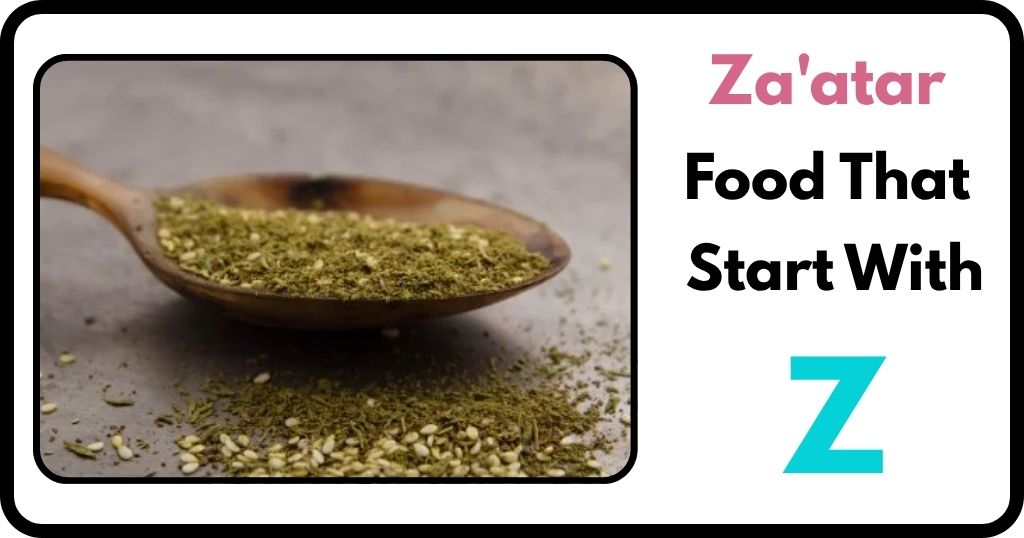
Za’atar is not just a spice — it’s a cultural institution. The blend traces back thousands of years across the Levant region, where families often guard their personal recipes closely. Each region has its own ratio of thyme, sesame, sumac, and salt, and in Lebanon and Palestine, a child often grows up knowing exactly how their grandmother’s za’atar tastes. The sumac brings tartness, the sesame adds nuttiness, and the dried thyme gives it that unmistakable earthy backbone.
Recipe:
Practically speaking, using za’atar couldn’t be simpler. Mix two tablespoons with enough olive oil to make a thick paste, then spread it on flatbread and bake at high heat until the edges char slightly. It’s breakfast, it’s a snack, and it’s a condiment all in one. You can also dust it over labneh (strained yogurt), toss it into roasted vegetables, or rub it onto chicken before grilling. Once you have it in your pantry, you’ll find yourself reaching for it constantly.
Zongzi — China’s Original Meal-in-a-Leaf
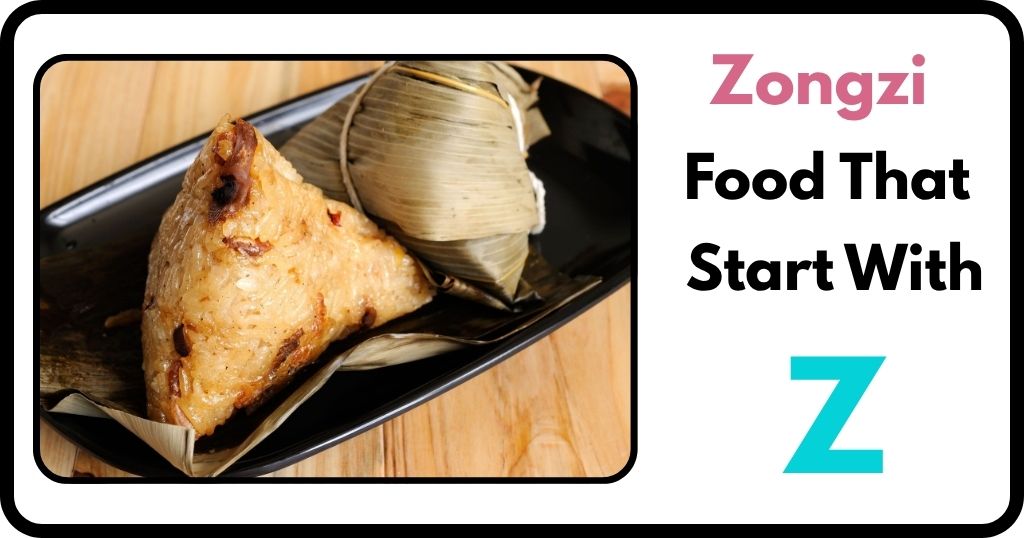
Zongzi are one of the oldest recorded foods in Chinese history, with written references dating back over 2,000 years. They were originally made to honor the poet Qu Yuan and are still central to the Dragon Boat Festival (Duanwu) celebrations every summer. The art of folding bamboo leaves into the perfect triangular package is a skill passed down through generations — watching an experienced grandmother do it takes about 20 seconds; a beginner might spend ten minutes on a single piece.
The flavor experience depends entirely on the region and filling. In southern China, you’ll most likely find savory zongzi stuffed with fatty pork belly, shiitake mushrooms, and a salted duck egg yolk. Northern Chinese varieties tend toward sweet — red bean paste or jujube dates wrapped in a slightly sticky, almost nutty rice. The bamboo leaf itself imparts a subtle grassy fragrance to the rice as it steams. They’re sold at street stalls, in supermarkets, and made fresh at home — and they reheat beautifully the next day.
Zuppa Toscana — The Soup That Conquered American Kitchens
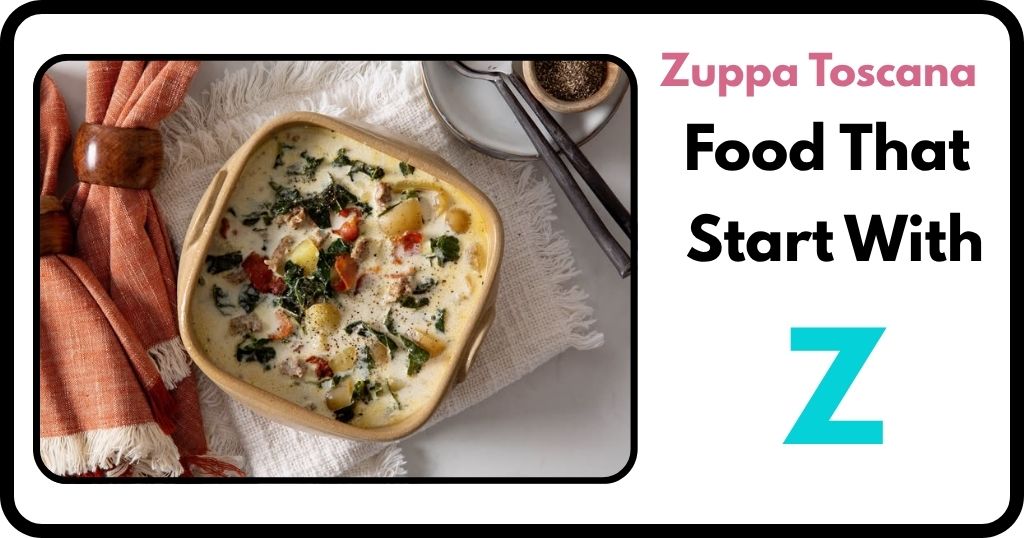
Zuppa Toscana literally means “Tuscan soup” in Italian, but the version most Americans know came from Olive Garden’s menu in the 1990s and has since taken on a life of its own. In Tuscany, the original is a simple, brothy soup with bread, kale, beans, and olive oil — hearty but delicate. The Americanized version doubled down on richness: spicy Italian sausage, russet potatoes, cream, and plenty of kale swimming in a savory broth.
Recipe:
Making it at home takes about 40 minutes. Brown the sausage first, then build the broth in the same pot with chicken stock, diced potatoes, and onion. Add the kale near the end so it wilts without losing its texture, then finish with a pour of heavy cream. The result is silky, smoky, slightly spicy, and deeply warming. It became one of the most recreated restaurant soups on the internet for good reason — it genuinely delivers every time.
Most Popular Foods That Start With Z
- Zucchini — The world’s most versatile summer vegetable, eaten grilled, raw, baked, or spiralized into pasta.
- Za’atar — A Middle Eastern spice blend used on bread, meats, and dips; one of the most searched international condiments.
- Ziti — Tube pasta synonymous with baked pasta dishes across American-Italian cooking.
- Zinfandel Wine — California’s bold, jammy flagship red wine, also made in a sweet pink rosé version.
- Zuppa Toscana — A creamy Italian sausage and kale soup that became one of America’s most recreated restaurant dishes.
- Zeppole — Italian fried dough balls dusted with powdered sugar, a street food classic at Italian-American festivals.
- Zimtsterne — Germany’s famous cinnamon-almond Christmas star cookies, beloved across Europe and growing globally.
Rare & Unique Foods That Start With Z
- Zincarlin — A near-forgotten Swiss-Italian border cheese rubbed with black pepper, produced in tiny quantities in Alpine villages. Almost impossible to find outside the region.
- Zibibo Passito — Sun-dried grape wine from the tiny island of Pantelleria, Sicily — sweet, amber-colored, and thick as honey. UNESCO has recognized the traditional winemaking culture there.
- Ziricote Plum — A wild fruit from the Yucatan Peninsula of Mexico that’s never been commercially cultivated. Locals know exactly where the trees grow; outsiders don’t even know it exists.
- Zade (Saffron Salt): — A specialty Persian condiment made by grinding saffron threads with coarse salt — used as a finishing touch on rice, eggs, and grilled meats. The flavor is floral, earthy, and unlike any commercial seasoning.
- Ziger Cheese — A Swiss Alpine whey cheese so old it predates most modern cheese varieties. It’s made from the leftover whey of other cheeses, making it a zero-waste food centuries before that was a concept.
- Zaletti — These Venetian cornmeal cookies existed long before the “rustic” food trend made them fashionable. The recipe hasn’t changed in over 400 years, and they’re still made the same way in Venetian bakeries.
- Zereshk (Barberry) — Outside Persian communities, almost nobody in the West has tried a fresh barberry. The dried version is slowly gaining traction in specialty food stores, but the fresh fruit remains genuinely rare outside Iran and parts of Eastern Europe.
Popular Food Brands Starting With Z
- Zatarain’s — A New Orleans institution since 1889. Famous for its Creole seasonings, rice mixes, and seafood boil products. Their Fish-Fri coating is a Louisiana staple.
- Zone Perfect — A protein bar and nutrition brand known for its balanced macronutrient approach. Widely sold in gyms and health food stores across the US.
- Zevia — A zero-calorie soda brand sweetened with stevia instead of sugar or artificial sweeteners. Popular among health-conscious consumers who want carbonation without the chemicals.
- Zico — A major coconut water brand sold globally. Known for its clean, natural flavor and sports hydration positioning.
- Zenb — A plant-based food company making pasta, snacks, and cheese alternatives entirely from yellow peas. Popular with vegan and allergen-sensitive consumers.
- Zaxby’s — A US fast-food chain specializing in chicken fingers, wings, and salads. Hugely popular in the American Southeast with over 900 locations.
- Zero Bar — A vintage American candy bar with a white chocolate coating over peanut butter and caramel. It’s been around since 1920 and maintains a loyal following.
Fun Facts About Foods That Start With Z
- Za’atar protects itself. In some parts of the Middle East, picking wild za’atar (thyme) from protected land is actually illegal. The plant was being over-harvested because demand was so high — an edible herb with its own conservation laws.
- Zucchini is technically a fruit. Botanically speaking, zucchini is a fruit because it develops from the flower of the plant and contains seeds. Culinarily, it’s treated as a vegetable — which is why food categories can get very confusing very quickly.
- Zongzi helped preserve a poet’s legacy. According to Chinese legend, when the beloved poet Qu Yuan drowned in 278 BCE, people threw rice parcels into the river to keep fish from eating his body. That tradition evolved into the Zongzi eaten at Dragon Boat Festival today.
- Zigeuner Schnitzel’s name is changing. Germany and Austria have begun renaming this paprika schnitzel dish, as the word “Zigeuner” (Gypsy) is considered offensive. Many restaurants now call it “Paprikaschnitzel” — same sauce, updated respect.
- Zinfandel almost disappeared. For decades, nobody knew where Zinfandel grapes originally came from. DNA testing in the 1990s finally traced them to Croatia, where the identical grape is called Tribidrag. California saved it from obscurity.
Complete List of All Foods That Start With Z
| Food Name | Food Name | Food Name |
| Za’atar | Zade (Saffron Salt) | Zaletti |
| Zalouk | Zamorano Cheese | Zampone |
| Zante Currant | Zapote (Sapote) | Zarda |
| Zaruela | Zarzuela | Zarzuela de Mariscos |
| Zatar Flatbread | Zatar Sauce | Zaza (Insect Protein) |
| Zea Corn Flour | Zea Mays (Corn) | Zebra Beans |
| Zebra Cake (homemade) | Zebra Cakes (Little Debbie) | Zebra Fish (edible) |
| Zebu Beef | Zenb Plant-based Cheese | Zeppole |
| Zerde | Zereshk (Barberry) | Zereshk Polo |
| Zereshk Sherbet | Zeytinyağı (Olive Oil) | Zeytinyağlı Dishes |
| Zibibo Grape | Zibibo Passito | Ziger Cheese |
| Zigerklee (Schabziger) | Zigeuner Eggs | Zigeuner Schnitzel |
| Zigni | Zimtsterne | Zincarlin |
| Zinfandel Grapes | Zinfandel Vinegar | Zinfandel Wine |
| Zingiber (Ginger Root) | Zing Tea | Zing Zang Pepper |
| Zing Zang Spicy Mix | Zinger Lemonade | Ziricote Plum |
| Ziti | Ziti al Forno | Ziti Pasta Bake |
| Ziti Salad | Ziziphus (Jujube) | Zlato Spread |
| Zobo Drink | Zola (Gorgonzola) | Zombie Cocktail |
| Zomerpesto | Zongzi | Zongzi (Mini) |
| Zoodles | Zopf Bread | Zucca (Italian Pumpkin) |
| Zucchini | Zucchini Bread | Zucchini Casserole |
| Zucchini Chips | Zucchini Flower | Zucchini Fritters |
| Zucchini Pizza | Zucchini Seeds (roasted) | Zucchini Soup |
| Zucchini Yellow | Zucotto | Zurek (Fish Soup) |
| Zurek Sausage | Zubrowka Vodka | Zuppa di Pesce |
| Zuppa Inglese | Zuppa Toscana | Zweibelbrot Flour |
| Zwieback Crackers | Zwieback Toast | Zacapa Rum |
| Zacusca | Zakuski | Zambian Kapenta |
| Zander | Zaru Soba | Zack’s Marshmallow Treats |
| Zhug (Zhoug) | Ziege (Goat Fish) | Zampone e Lenticchie |
| Zero Bar (candy) | Zahtar Blend | Zest (Citrus) |
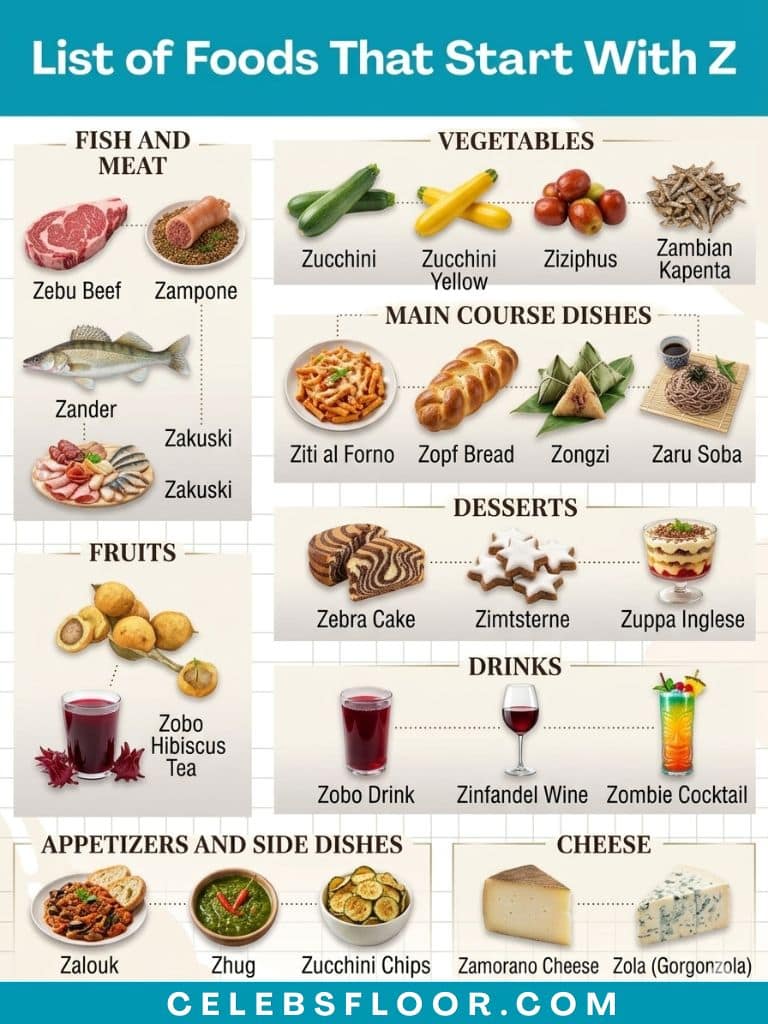
FAQ’s About Foods That Start With Z
What foods start with Z?
Common ones include zucchini, ziti, za’atar, zeppole, zander, zongzi, and zimtsterne. The full list stretches well past 210 foods across fruits, vegetables, meats, drinks, and international dishes.
Are there healthy foods that start with Z?
Yes. Zucchini, zoodles, zaru soba, zereshk berries, and za’atar are all nutritious, wholesome options easy to add to everyday meals.
What fruits start with Z?
Zinfandel grapes, Zante currants, zapote, zereshk (barberries), and ziziphus (jujube) are the most common fruits starting with Z.
What is a savory food that starts with Z?
Za’atar, zucchini, ziti pasta, zarzuela, zigni, zurek soup, zalouk, and zhug sauce are all solid savory choices — many of them from international cuisines.
What junk food or snack starts with Z?
Zebra Cakes (Little Debbie) are the most iconic Z junk food in America. Zeppole, zwieback crackers, and zucchini chips are popular snack options too.
Bottom Line
The letter Z is far more food-rich than most people expect. From the everyday comfort of zucchini and ziti to the festive magic of zongzi and zampone, and from the spice rack staple za’atar to the rare ziricote plum, this list covers a genuinely global spread of flavors. Whether you’re here for a school project, cooking inspiration, food trivia, or just curiosity — there’s something worth exploring in every section. The world of Z foods is wider, tastier, and more surprising than you thought.

Ezell is a content writer at Celebsfloor.com with a BA in English from AUF. With eight years of experience in language education and reference writing, he focuses on creating clear definitions for slang, abbreviations, acronyms, and everyday English terms. Ezell believes language should be accessible to everyone, so he writes straightforward explanations that help students, non-native speakers, and everyday readers understand confusing words. His work emphasizes accuracy, clarity, and practical usage examples that show how terms work in real conversations and online contexts.